
Give a student a clear problem and a space to build, and a leader starts to grow. This is the simple idea behind Pathway BioMedX. The goal is to inspire and equip young learners through hands-on work, real-world projects, and steady support that continues across many years.
Why Leadership Through STEM Begins in Middle School?
Middle school is a key time to build strong habits that last. Regular problem solving turns interest into skill and skill into confidence. Pathway BioMedX exists to spark early curiosity and guide students toward health sciences, biotechnology, life sciences, computer science, and engineering with practical learning and mentorship. The support does not end after one season of after school STEM programs. Students can keep growing into high school, college, and even graduate paths with tutorials, internships, leadership training, and professional guidance.
A Weekly Routine That Blends Online Teaching with Lab Time
Families need a plan that fits real life. During the school year, the program offers virtual content sessions on weekdays from 4 pm to 6 pm. On Saturdays from 9 am to 3 pm, students do hands-on labs and wet lab experiments. This rhythm helps students connect new ideas learned during the week with real tools and projects on the weekend. It also gives time for coaching, feedback, and revision so each learner sees steady progress.
What Students Learn Across AI and Technology Fundamentals?
Students move from core ideas to practical projects at a pace that suits middle school minds. Each block builds on the last and uses simple language, visuals, and examples to make ideas click.
- Core computing skills that support coding, data thinking, and how networks work.
- Engineering habits like design, testing, revision, and clear reporting on results.
- Bio and health links that show how technology supports medicine and life sciences.
- Digital making skills, such as coding and creative building, that students can use right away.
The result is a full picture of AI and technology that students can see and touch. They learn how systems work and how to use them with care.
Hands-On Projects That Turn Ideas into Action
Hands-on practice is where learning sticks. Students plan a small project, build a first version, test it, and improve it based on feedback. This loop mirrors how teams in labs and tech companies work every day. It makes thinking visible and helps students act like creators, not only users. With regular practice, they learn to manage time, solve problems, and share results in a clear voice.
After School STEM Programs Built for Middle School Learners and Busy Families
Middle school students do best with structure and visible wins. Weekly virtual sessions build core knowledge in a calm setting. Weekend labs let students apply that knowledge with real tools. This approach fits families who want a reliable routine and a clear path into honors and AP courses later on. If you are comparing options among after school programs for middle schoolers, this balance of teaching and lab time can be a strong fit.
Ethics and Digital Citizenship as Everyday Practice
Technical knowledge is not enough. Students learn to think about fairness, privacy, consent, and safety while they build. They practice teamwork and clear communication to turn single tasks into shared problem-solving. These habits help future AI builders make better choices and design with respect for people and communities.
Skills That Help in Class and Beyond
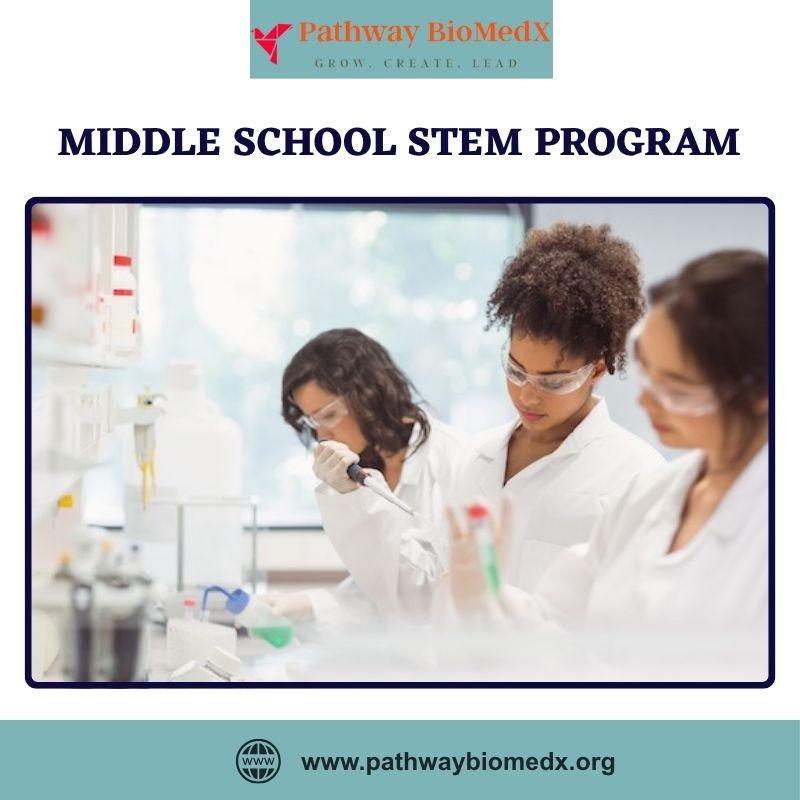
The after middle school STEM program builds skills that show up right away in school and life.
- Reading, using, and explaining data in simple and correct ways.
- Planning a project, setting steps, and finishing on time.
- Presenting ideas, sharing results, and asking for useful feedback.
- Working in teams with respect and a clear sense of purpose.
These skills support success in advanced classes and help students compete for places at selective colleges when the time comes.
Schedule and Payment Details Explained
Planning ahead lowers stress for families. Here is what to know:
- Weekday virtual sessions run from 4 pm to 6 pm for content and coaching.
- Saturday hands-on sessions run from 9 am to 3 pm for labs and real-world projects.
- A deposit is required to reserve a seat. The deposit counts toward total tuition. The deposit is fifty percent at registration, and the remainder is due before the program starts.
- Full tuition for the school year and summer is due by the start date. If a family registers after the start date, full payment is due within two weeks of the deposit or by the start date, whichever comes first. Late payment can lead to loss of the seat, and in that case, the deposit is not refundable.
This structure keeps the process clear and helps the team plan staff and materials for the lab.’
How This Approach Builds Future Leaders In AI?
Two strengths drive growth. First, steady weekly time for learning, practice, and feedback. Second, a clear connection between AI, engineering, and fields like medicine and biotech. Students build technical skills, learn to think through impact, and gain mentors who help them plan next steps. Over time, this prepares them to excel in advanced classes and to pursue selective colleges with confidence.
Who Will Benefit the Most from This Experience?
- Motivated middle school students who like to build, test, and improve ideas.
- Families who want a clear routine that blends online teaching with in-person labs.
- Learners who want real mentorship and a path from the middle grades into high school, college, and beyond.
If you are exploring after school STEM programs, this structure turns curiosity into capability in a way that is practical and calm.
Enrollment Steps and Contact Information
Registration is simple and guided. You can start on the Pathway BioMedX website or use the Jumbula link provided on the program page. Email support is also available for help with dates, availability, and placement. A deposit reserves the seat and allows families to plan the calendar with confidence.
This program also fits families searching for an afterschool enrichment program that offers real labs, real mentorship, and lasting support.
What Next Steps to Take Today?
- Visit the Middle School After school AI and Technology Fundamentals page to review dates and details.
- Register through the website or the Jumbula link on the program page, or email for placement help.
- Reserve your seat with the deposit, then plan for weekday virtual sessions and Saturday labs.
If you want an after middle school STEM program that blends clear teaching with hands-on practice, this is a strong next step.
Your student can learn to build, test, and share real work this school year. The Pathway BioMedX team brings the space, the tools, and the mentorship to help that growth happen. If this feels like the right fit, reach out, reserve a seat, and set up a plan that supports real progress.