
Tech enrichment programs help students shine in Ivy League admissions because they show real work in STEM, steady effort over several years, and the maturity to handle tough lessons outside of school. When students can show proof of structured robotics, coding, AI, and lab work with actual projects and mentors, they give colleges clear proof that they are ready for hard university classes.
Why Tech Enrichment Matters for the Ivy League?
Ivy League schools want more than just perfect grades or high test scores. They want students who go beyond the classroom, take charge of their own learning, and prove they can succeed in hard academic environments.
Tech enrichment programs do this because they:
- Add hard STEM learning on top of regular school instead of replacing it.
- Build a clear story that shows a student has been serious about medicine, biotech, or technology for a long time.
- Offer special experiences that most teens do not get, such as wet lab work, VR simulations, and AI projects.
When an application includes detailed project work and long-term participation with help from STEM experts, it naturally stands out in a group of strong applicants.
What Makes a Strong Tech Enrichment Program?
Not all afterschool or summer camps send the same message to top colleges. The programs that help most with Ivy League admissions share a few main traits.
Strong programs usually:
- Start early, often in middle school, and keep going through high school in a long-term way.
- Combine academic lessons, hands-on labs, and technology projects in one place.
- Cover real topics in medicine, health sciences, biotechnology, computer science, engineering, and new tech like AI.
- Include guidance on honors classes, APs, and college prep instead of just fun games.
This setup helps a student show growth over time. They might begin with biology basics and later move into AI, robotics, or engineering design as they get older.
How Tech Tracks Build a Competitive Edge?
Many advanced STEM programs now organize learning into specific tracks. You will often see “Bio” and “Tech” options. This lets students pick a path that fits their future goals while still learning a wide range of core skills.
Common parts include:
- A Bio track with medicine, health sciences, molecular biology, and bioengineering.
- A Tech track with computer science, a robotics program for kids, coding, 3D design, and engineering.
Programs teach these tracks in 4-week blocks that focus on clear themes. This block model gives students enough time to:
- Learn the main ideas.
- Practice in a lab or project setting.
- Finish a small project or test that they can talk about later on college applications.
Sample “Tech” Block Highlights
Some high school AI and technology programs now include:
- Basics of programming and algorithms.
- Machine learning basics, gathering data, and analyzing data.
- Neural networks, deep learning ideas, and making systems work better.
- Computer vision, image processing, and understanding human language with computers.
- Robotics basics, hardware, connecting sensors, and programming robots.
When a student spends months building skills in these areas, they are not just interested in tech. They can point to the specific tools, methods, and projects they used. That kind of real detail looks very different in a college essay or interview compared to a student who just likes computers.
Hands-On Learning That Colleges Notice
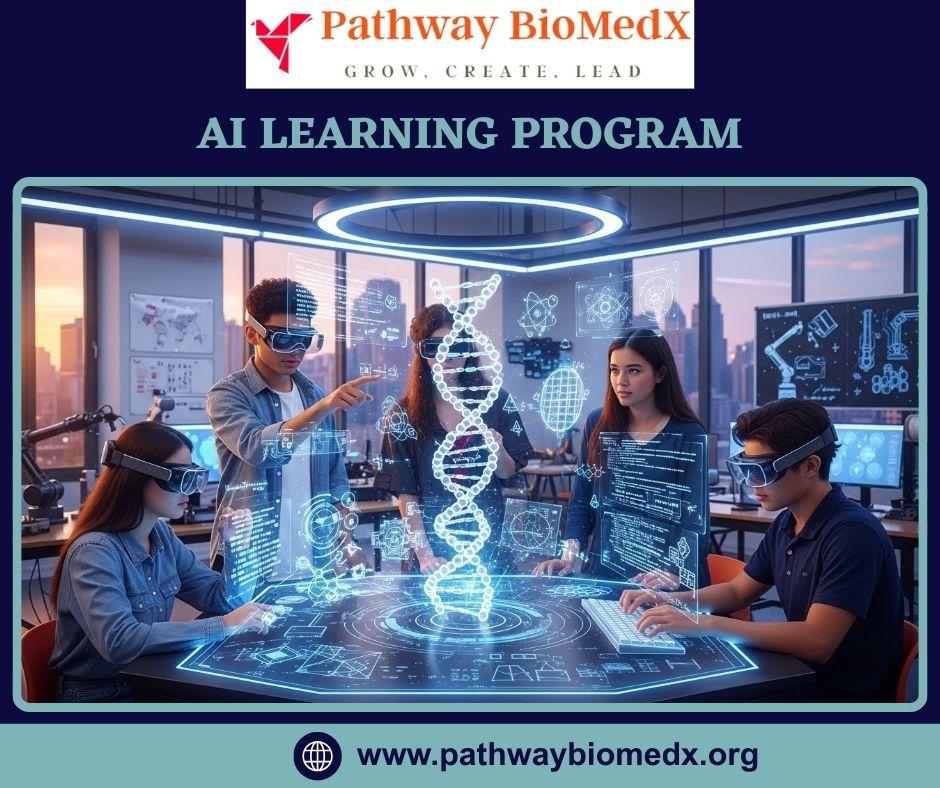
Top universities and Ivy League schools value students who know how to work in real lab and project settings. Tech enrichment programs that use hands-on learning are very powerful for this reason.
Strong experiences often include:
- Wet lab experiments in biology and molecular science, like DNA and genomics work.
- VR simulations and engineering design tasks that look like real-world problems.
- Coding, fixing errors, and building full apps or tools.
- AI projects that use real data to train models and show results.
This is where a good AI learning program stands out. Instead of just showing students a few apps, it walks them through:
- What machine learning actually is.
- How to collect and clean up data.
- How to check if a model works well.
- How to explain their results in a clear and technical way.
Colleges know the difference between casual fun and this kind of structured practice under expert guidance.
Year-Round Structure and Time Management Skills
Ivy League admissions officers also check if a student can handle a busy schedule. Many modern tech programs are built to copy that reality.
A normal school year format can include:
- Weekly virtual lessons on weekdays, which often happen after school.
- In-person weekend sessions for hands-on labs and projects in a real STEM lab.
- A calendar split into fall and spring semesters with clear start and end dates.
Using this kind of schedule, students learn to:
- Balance schoolwork, enrichment classes, and their personal lives.
- Show up ready to learn every week.
- Work on longer projects over several weeks instead of just doing short tasks.
That rhythm looks very similar to a college semester with lectures and labs. This sends a strong signal that the student understands the pace and can handle it well.
Longitudinal Support: From Middle School to College
One thing that truly sets some programs apart is that they last for a long time. Instead of a single summer camp, students get support over many years.
These programs often provide:
- Afterschool tutoring across middle and high school grades.
- Summer academies with deeper project work.
- Career advice, leadership training, and counseling about STEM paths.
- Help with test prep and college application plans.
Some groups are even designed as a full package to prepare students for careers in medicine, life sciences, biotechnology, and related fields. For a college reviewer, this multi-year story of hard work and growth is strong proof of drive.
Quick Summary
- Tech enrichment programs add hard, hands-on STEM learning outside of school.
- They show Ivy League colleges a deeper level of commitment and readiness.
- The best programs are structured and run for multiple years with clear Bio and Tech tracks.
- Students gain advanced technical skills and good habits like time management and teamwork.
FAQs
1. What is a tech enrichment program?
A tech enrichment program is a structured afterschool or summer course. It helps middle and high school students go beyond their regular classes to learn coding, robotics, AI, engineering, and other STEM fields through lessons and real projects.
2. How early should my child start?
Many programs start as early as middle school. They offer biology and technology basics and then build toward higher-level AI and engineering content in high school. Starting early helps students find what they love and build a long record of work.
3. Do these programs really help with Ivy League admissions?
Yes. When the programs are hard, last for a long time, and focus on projects, they provide the depth that top colleges want to see. They give students real experiences to write about in applications instead of just vague interests.
4. How are programs scheduled during the school year?
Many programs follow a hybrid schedule. This means they have virtual sessions on weekdays and in-person weekend sessions in a STEM lab for experiments.
5. What kinds of topics are covered?
Topics often cover medicine, health sciences, molecular biology, biotechnology, computer science, robotics, coding, 3D design, engineering, AI, and data science.
How Pathway BioMedX Programs Support Families?
Pathway-style programs in places like Boston focus on smart students who want careers in bioengineering, medicine, health sciences, and computer sciences.
These programs:
- Build academic interest from middle school onward.
- Give students hands-on lab skills, tech knowledge, and confidence.
- Support them as they prepare for honors classes, AP courses, and college applications.
Families usually sign up through an online website and pay tuition. Clear payment timelines help the programs plan for teachers and keep class sizes small.
If your child is serious about STEM and you want their application to show more than grades, you should look at a structured robotics program for kids or a focused AI learning program. Programs that work like this give students real work to talk about, real mentors to learn from, and real skills they can carry into hard college environments. That is exactly what top universities want to find. Check Pathway BioMedX programs now!